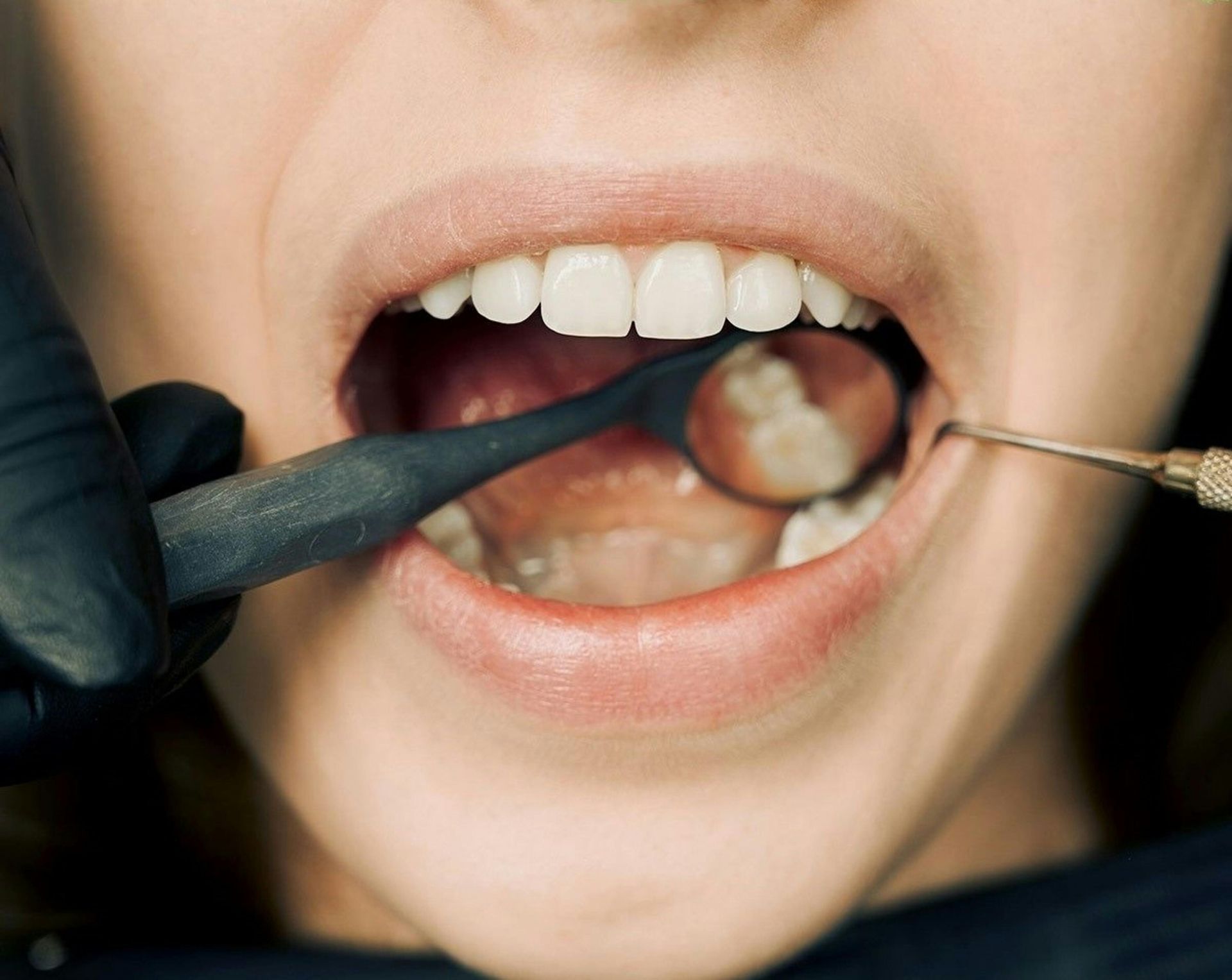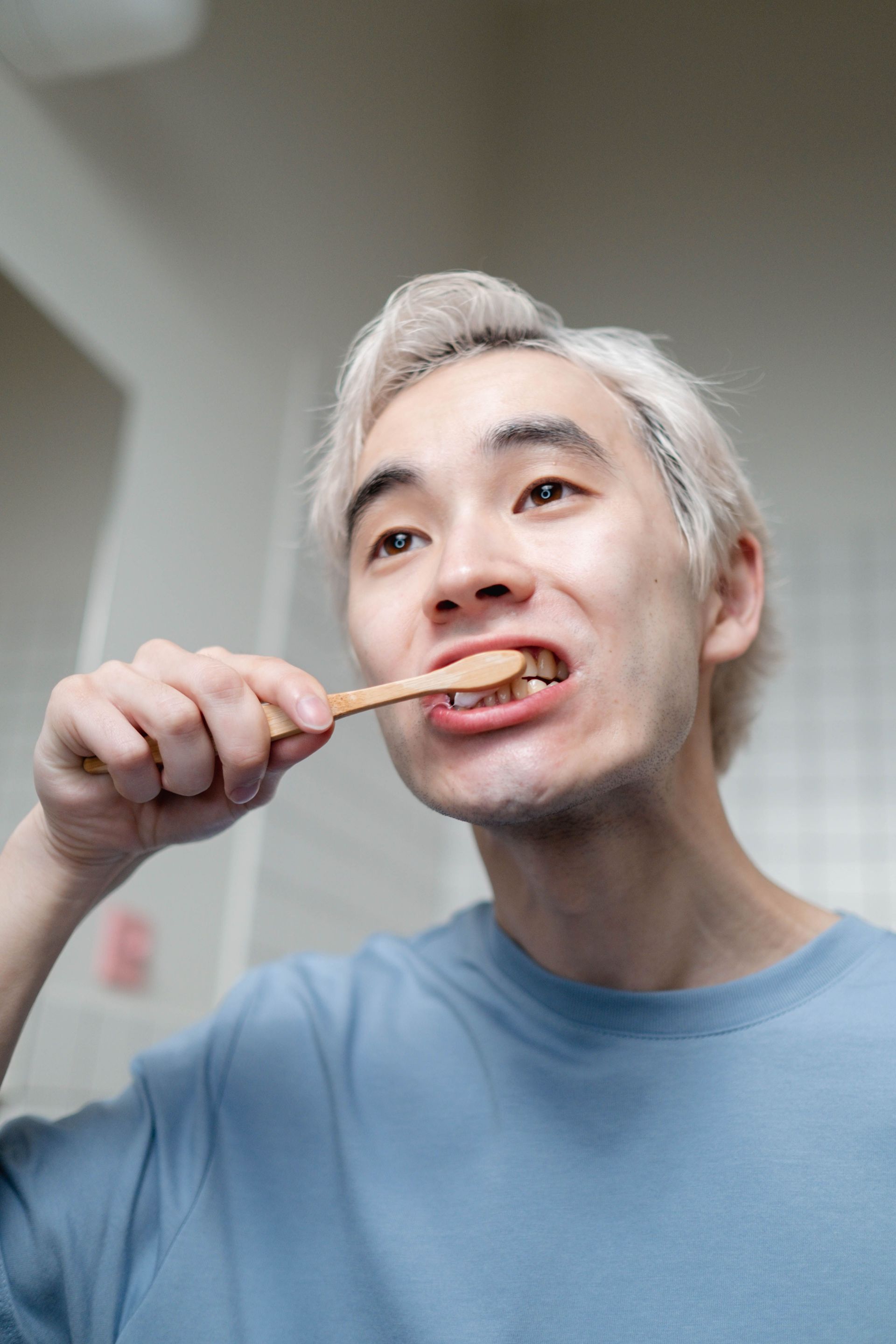
A patient came in recently for his usual six-month cleaning and said he knew we wouldn't find any issues in his mouth because, he proudly reported, he brushed four times a day.
That's right, four times a day: Morning, after lunch after dinner and before bed. While we applauded the effort — and didn't find anything of concern during his appointment — we did have a few things to say, and one of those things is that it is possible to overbrush your teeth, just not how you think.
Brushing teeth is perhaps the most important action you can take to keep your mouth, not to mention the rest of your body,healthy. While many people operate under the standard of brushing twice a day for two minutes each time, others add another round of brushing after lunch to keep things fresh. That's ok. Do what you need to do to feel clean because it's not necessarily the number of times you brush each day, it's how you brush that matters.
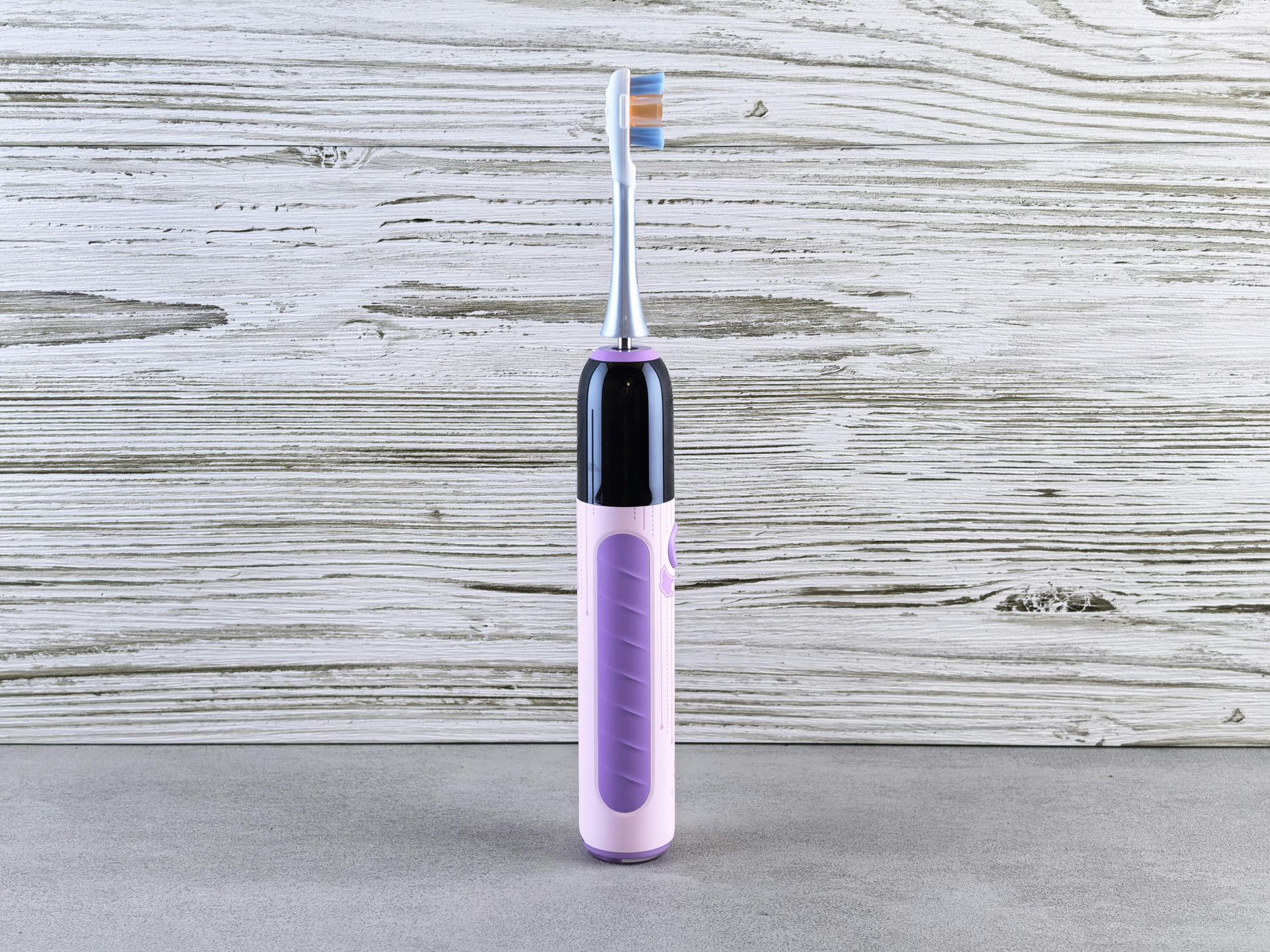
First off, you should always be using a soft-bristled brush, which keeps you from damaging enamel. Stiffer bristles may make you feel your teeth are getting cleaner, but they can also cause abrasions to your gums, which could lead to recession, which can be a bigger problem.
Also take a moment to ensure that the toothpaste you use isn't causing a problem. Abrasive additives can harm your teeth, so look for products with fluouride (of course) and calcium. Sometimes toothpaste for sensitive teeth, even if you don't have sensitive teeth, can help lessen the wear and tear of brushing.
Brush properly, just like you've been taught since you were a child: Up and down, not side to side, go slowly so you hit every surface and don't use too much pressure. If you find your brush goes flat after a short amount of time, you are probably brushing too hard. Lighten up!
There is also research showing that you should wait up to an hour after eating to brush your teeth, especially if you have eaten something acidic. Waiting gives your saliva time to do what it is meant to do to neutralize the ph of the mouth.
While more isn't necessarily better in the case of our patient who inspired this post, remember that proper technique, tools and timing are more important.
And don't forget to floss!