COSMETIC DENTISTRY
We keep Milford’s smiles bright
Cosmetic Dentistry Services In The Comfort Of Our Milford Dental Office
You don’t have to be unhappy with your smile and often you don’t need to make major changes to like the way you look. In many cases only a slight adjustment can do the trick, and for bigger issues, porcelain bonding, including veneers and crowns can be options performed by Huszti Dental Care’s team of dentists and specialists.
PROFESSIONAL WHITENING
Great smiles start with a clean and healthy mouth. Regular examinations that include digital X-rays have a proven impact on your dental health, helping us to spot potential problems early.
PORCELAIN VENEERS
You can cover broken, undersized or discolored teeth with natural-looking porcelain veneers or crowns.
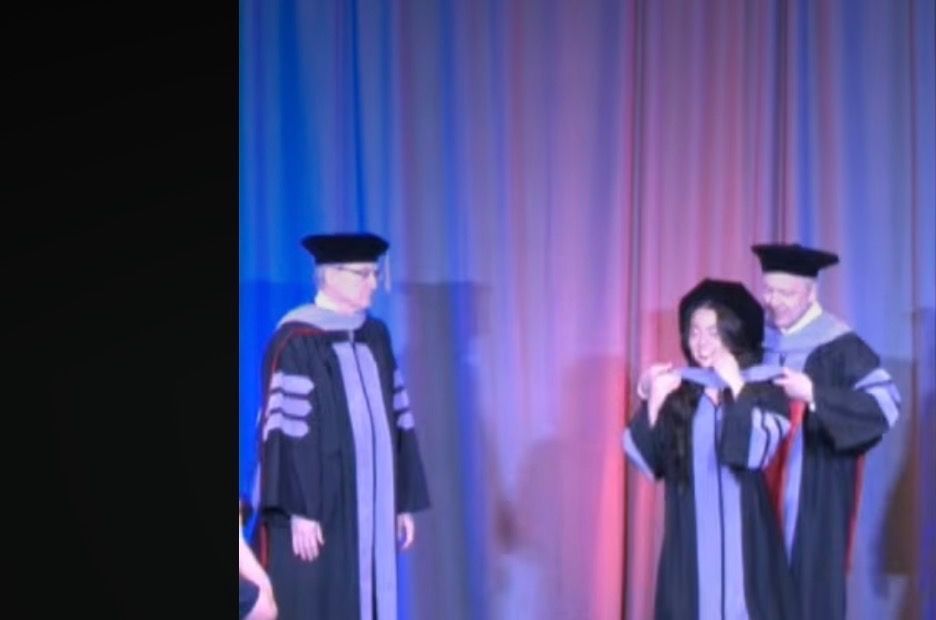
Huszti Dental Care has a new dentist. She might look a little familiar, sort of like a combination of Dr. Anna and Dr. Bill. That’s because Olivia Huszti, D.D.S., is their oldest daughter. On May 8, Olivia graduated with her Doctor of Dental Surgery degree from University of Detroit Mercy. Bill was honored to do the hooding, which is a traditional part of the ceremony. Detroit Mercy Dental was the same school where Anna and Bill received their D.D.S. degrees in 1992. It’s also where they met. Olivia attended through the University’s 7-Year Dental Program, which allows students to complete both a bachelor’s degree an d a D.D.S. a year earlier than a more traditional path. Olivia earned a Bachelor of Science degree in Biology in 2023. “I’m so excited to be able to go into practice with my mom and dad,” she said. “They have always been such an inspiration to me, and I love that I will grow further under their care.” Like her parents, Olivia loves the outdoors and all outdoor sports. She is a long-distance runner and ran for the cross country team at Milford High. She has run several marathons and half-marathons and is training for a triathlon — running, swimming and bicycling. While attending Dental school, she lived with younger sister Sophia, who is also a Detroit Mercy Dental student. She is expected to complete her D.D.S. in 2027 and will also join the family practice. Be sure to say “Hi” to her next time you’re in!
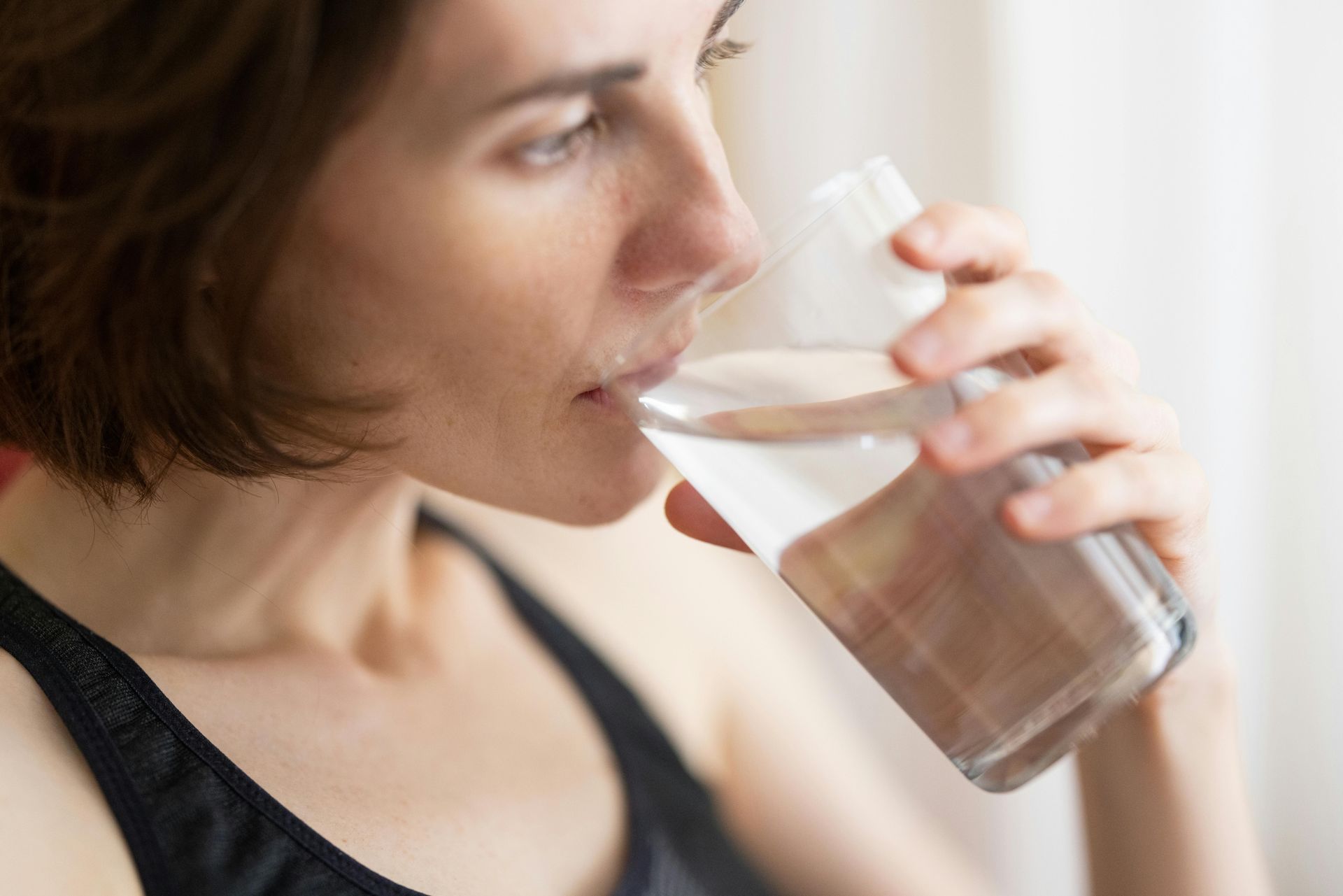
We all know that drinking water is important for your overall health. (I mean our bodies are mostly water, so it makes sense!) But water is also the most beneficial drink for our teeth. Here's why! A cleaner mouth with every sip: When you drink water, it keeps your mouth clean by washing away leftover food and residue that has deposited itself in the cracks and crevices of your mouth that a toothbrush takes care of. But you're not always in a place where it's convenient to use a toothbrush, but you'll always be in a place that is convenient to drink a glass of water. In addition to rinsing away food and other things that can make your breath smell bad or settle in and begin to damage your teeth, water washes away acids from foods and other drinks like soda or fruit juices. That acid can erode enamel, so wash it away with a drink of water. It keeps your mouth from doing what it's supposed to: The first line of defense against tooth decay is saliva. When your mouth is dry, it doesn't have the salive to do what it's supposed to do: clear away leftover food to stop bacteria growth that can lead to decay. If you have chronic dry mouth, it's important to talk to one of the healthcare providers at Huszti Dental Care, so we can help you address that issue. It stops you from drinking other things: When you turn to water to slake your thirst, you are less inclined to drink other things, like soda and fruit juices and other high-sugar, high acid drinks. It's also calorie free! It makes your teeth stronger: Though there has been an inexplicable political backlash against it, most cities in the United States still treat their drinking water with fluroide. Fluoride is one of the most effective cavity fighters known and it costs you nothing when you drink tap water. When drinking water, try to keep it as it comes out of the tap. Don't add a squeeze of lemon or some kind of protein or electrolyte powder to it, since both of those can cause trouble. We aren't saying you have to give up all non-water drinks—sometimes a cold pop or a latte really hits the spot—but keep water at the top of your mind, and close at hand in a waterbottle. Not only will your whole body benefit, your teeth will be very happy.

More and more patients are coming to Huszti Dental Care with questions about oral health information they have seen online, usually through social media. But many of these people come to us because they started doing something they saw on Instagram or Facebook and it ends up causing a problem. Most recently a young woman looking for whiter teeth was biting into a half a lemon then brushing with sea salt. Twice a day, every day. Her teeth weren't getting noticibly whiter, but they were getting more sensitive. That's because the lemon juice she was sinking her teeth into was eating away at her enamel! We've also heard from other patients that changes to oral health recommendations from the U.S. Health and Human Services have left them confused. So where do you go to find good, science based information? There are two simple answers to this question and the first one is obvious: Ask us. Many patients trust us for emergencies or when they are in pain, but sometimes have a blind spot when it comes to telling them something simple, like, say, don't do everything you see on the internet. These "health influencers" can be very dangerous, because they are generally not pushing good practices, they are generally promoting quick "fixes" that don't work. They don't care about your teeth, they are interested in having a big following and lots of "likes." Many of them are being paid by the social media companies for this misleading content. It seemes to work, as you will sometimes see several different social media personalities pushing the same idea—often with the exact same wording. That's because if a creator sees another creator has a lot of traffic on a particular post, they will copy it in an attempt to collect more likes for themselves. All these different people pushing the same information has the cumulative effect of making it seem sound, or like something everyone is doing. But it's simply not true. Think about that old adage: If all your friends jumped off a cliff, would you, too? But what's more dangerous is when health information is politicized, because that's dangerous and can lead to widespread problems. The confusion over use of fluoride is one example of this, and we have written about this before. Taking health information from people who do not have medical training, but have "done some research" is a sure way to get into trouble. If you want to do your own research, it's possible, but you must understand that—like social media influencers—not all sources are equal. The American Dental Association 's page is the best source for dental health information. Its content—though mostly targeting dentists—is thoroughly vetted by dental professionals and represents the most complete information, backed by scientific theory and research, available. And again, our dental professionals, all of whom have spent decades in this field, are more than happy to answer any question you may have about dental care. The only dumb question is the one left unasked.