Leading Edge General and Specialty Dental Care in Milford

Leading Edge General and Specialty Dental Care in Milford

A black square with a white border on a white background.

Dentist in Milford, MI – Focused on One Person: YOU

For over 80 years, Huszti Dental has been Milford’s trusted dentist, offering personalized care in family, cosmetic, implant, and specialty dentistry. Our team includes experienced general dentists and board-certified specialists in endodontics and periodontics.

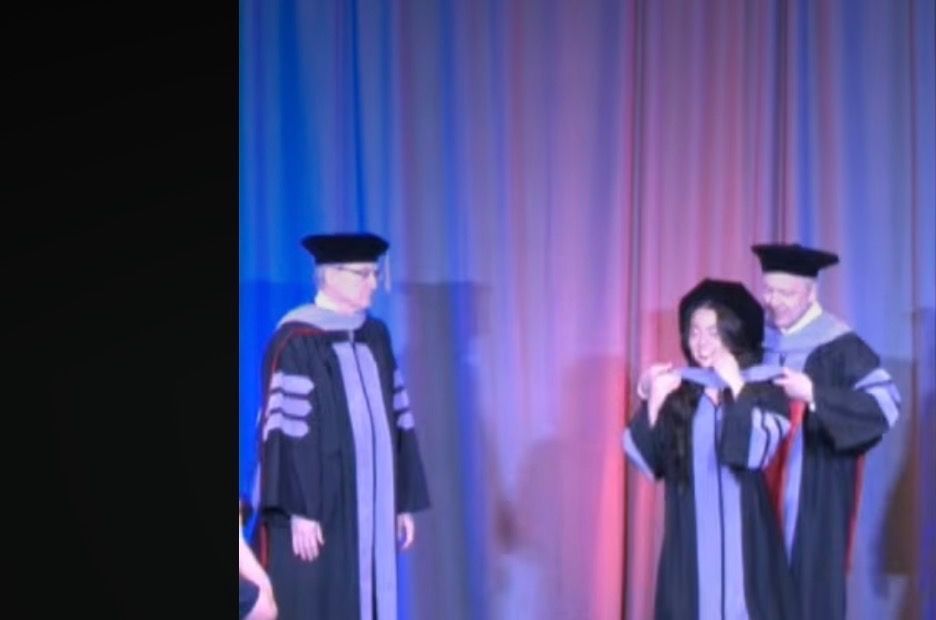
Our dentists don’t just work in Milford—we live here too. We care for our neighbors like family. The video throughout this site is from A Hometown Tribute: I Love Milford—a short film Dr. Huszti created as a thank you to Milford and its institutions when his daughters graduated from Milford High School.

A black square with a white border on a white background.

NEW PATIENTS

Huszti Dental Care has been part of the Milford community for more than 30 years.

LEARN MORE
A woman in a blue dress is smiling and looking at the camera.
A black square with a white border on a white background.

OUR TEAM

Huszti Dental Care’s professionals are chosen not just for their expertise in the field, but on how welcome they make you feel from the moment you walk into our Milford office.

MEET THE TEAM
A black square with a white border on a white background.

OUR SERVICES

Huszti Dental Care in Milford, Michigan offers expert family, preventative, and specialty dentistry in a welcoming, professional setting. Our general dentists and board-certified specialists work together to provide complete, personalized care—all under one roof.


As the oldest continuing practice in the Milford/ Highland area, Huszti Dental Care has been serving your neighbors for more than half a century. The practice still boasts active patients from the 1960s.

LEARN MORE

A Hometown Tribute: I Love Milford
An Original Film Short by Dr. William Huszti

As the oldest continuing practice in the Milford/ Highland area, Huszti Dental Care has been providing quality dental care for more than half a century. The practice still boasts active patients from the 1960s.

LEARN MORE

A Hometown Tribute: I Love Milford

An Original Film Short by Dr. William Huszti

It All Began in Highland

In the 1940s, Highland was considered the country. Dr. Floyd Vernier Jr. opened his office in a small brick professional building at 1830 N. Milford Road in Highland.

  • Read more

    For over 30 years the two dentists cared for adults and children including the area’s many farmers. According to patient records fees, dental services typically ranged from $3 to $6. Because of the rural nature of the communities and the scarcity of dentists, they served a wide area that encompasses present day Highland and Milford townships. 


    Stories from these days illustrate the close-knit nature of these communities. For instance, when Milford’s Peterson Bridge was originally constructed, it could accommodate only one lane. Neighbors would rely on the courtesy of their neighbors and politely take turns should there be oncoming traffic. Another favorite story recounts a routine transaction at the general store in downtown Milford. If no cashier was present, patrons would simply check themselves out, leaving their money in plain sight, on the unattended counter.

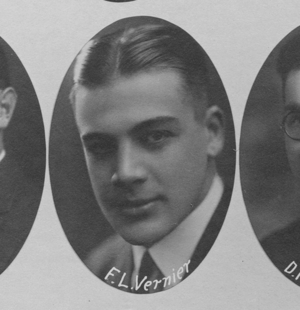
DR. Floyd L. Vernier, Sr.

A black and white photo of a man with the name fl verrier

According to periodic announcements in the Michigan Alumnus, a magazine for University of Michigan alumni, Dr. Floyd Vernier Sr. had some very eventful years following his 1921 graduation from the University of Michigan School of Dentistry.


Announcements in the publication included his marriage to Winifred Wilmot in 1923 and the birth of Floyd L. Vernier Jr. in 1924. Dr. Vernier Sr. practiced dentistry on the corner of Dix and Clark streets. It’s here that Vernier Jr. was inspired to continue his father’s work.

LEARN MORE ABOUT OUR HISTORY

A Hometown Tribute: I Love Milford

An Original Film Short by Dr. William Huszti

A Hometown Tribute: I Love Milford

An Original Film Short by Dr. William Huszti

A black square with a white border on a white background.

LATEST IN THE
BLOG

VIEW ALL POSTS
By Ron Bernas May 1, 2026
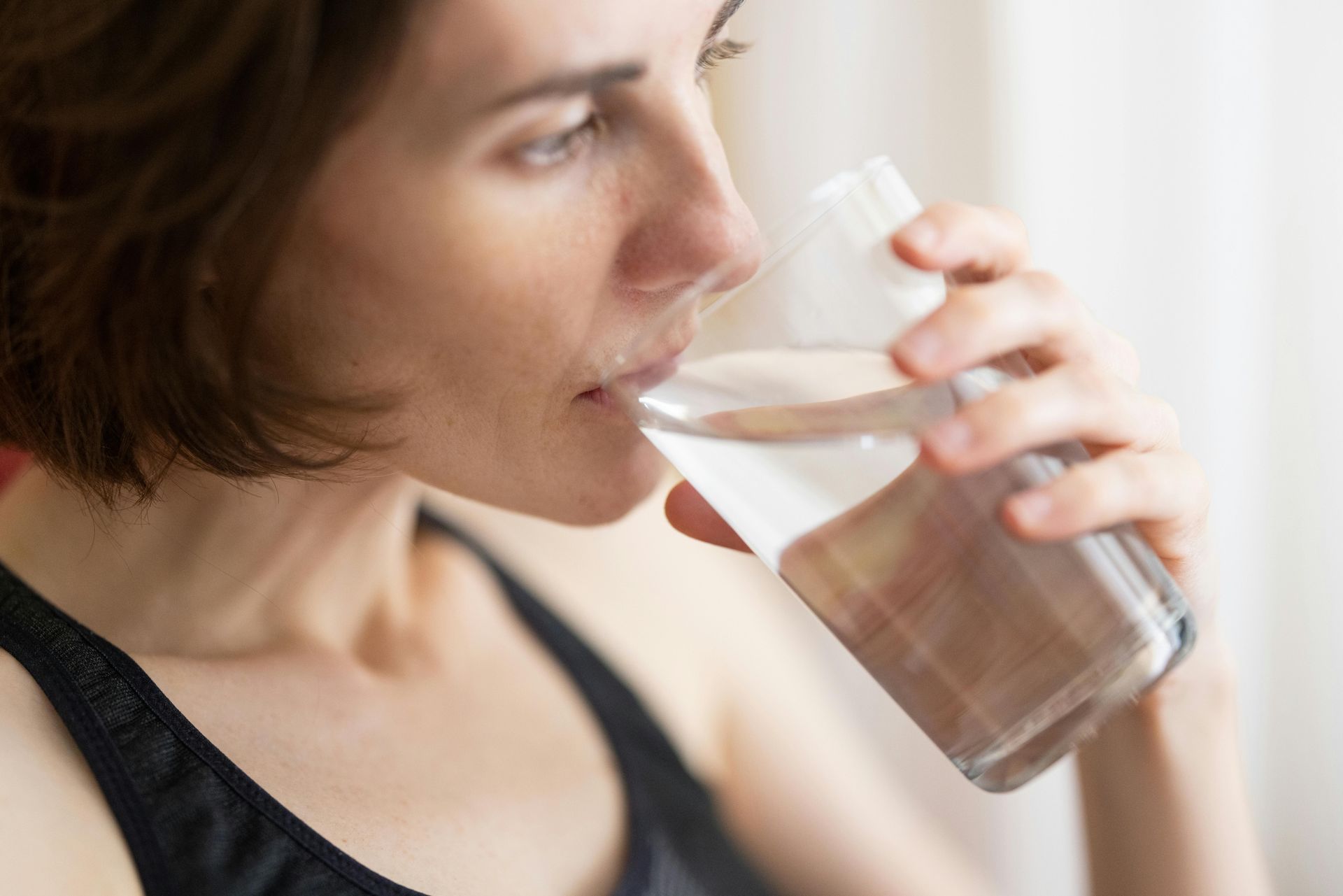
We all know that drinking water is important for your overall health. (I mean our bodies are mostly water, so it makes sense!) But water is also the most beneficial drink for our teeth. Here's why! A cleaner mouth with every sip: When you drink water, it keeps your mouth clean by washing away leftover food and residue that has deposited itself in the cracks and crevices of your mouth that a toothbrush takes care of. But you're not always in a place where it's convenient to use a toothbrush, but you'll always be in a place that is convenient to drink a glass of water. In addition to rinsing away food and other things that can make your breath smell bad or settle in and begin to damage your teeth, water washes away acids from foods and other drinks like soda or fruit juices. That acid can erode enamel, so wash it away with a drink of water. It keeps your mouth from doing what it's supposed to: The first line of defense against tooth decay is saliva. When your mouth is dry, it doesn't have the salive to do what it's supposed to do: clear away leftover food to stop bacteria growth that can lead to decay. If you have chronic dry mouth, it's important to talk to one of the healthcare providers at Huszti Dental Care, so we can help you address that issue. It stops you from drinking other things: When you turn to water to slake your thirst, you are less inclined to drink other things, like soda and fruit juices and other high-sugar, high acid drinks. It's also calorie free! It makes your teeth stronger: Though there has been an inexplicable political backlash against it, most cities in the United States still treat their drinking water with fluroide. Fluoride is one of the most effective cavity fighters known and it costs you nothing when you drink tap water. When drinking water, try to keep it as it comes out of the tap. Don't add a squeeze of lemon or some kind of protein or electrolyte powder to it, since both of those can cause trouble. We aren't saying you have to give up all non-water drinks—sometimes a cold pop or a latte really hits the spot—but keep water at the top of your mind, and close at hand in a waterbottle. Not only will your whole body benefit, your teeth will be very happy.
By Ron Bernas February 5, 2026
More and more patients are coming to Huszti Dental Care with questions about oral health information they have seen online, usually through social media. But many of these people come to us because they started doing something they saw on Instagram or Facebook and it ends up causing a problem. Most recently a young woman looking for whiter teeth was biting into a half a lemon then brushing with sea salt. Twice a day, every day. Her teeth weren't getting noticibly whiter, but they were getting more sensitive. That's because the lemon juice she was sinking her teeth into was eating away at her enamel! We've also heard from other patients that changes to oral health recommendations from the U.S. Health and Human Services have left them confused. So where do you go to find good, science based information? There are two simple answers to this question and the first one is obvious: Ask us. Many patients trust us for emergencies or when they are in pain, but sometimes have a blind spot when it comes to telling them something simple, like, say, don't do everything you see on the internet. These "health influencers" can be very dangerous, because they are generally not pushing good practices, they are generally promoting quick "fixes" that don't work. They don't care about your teeth, they are interested in having a big following and lots of "likes." Many of them are being paid by the social media companies for this misleading content. It seemes to work, as you will sometimes see several different social media personalities pushing the same idea—often with the exact same wording. That's because if a creator sees another creator has a lot of traffic on a particular post, they will copy it in an attempt to collect more likes for themselves. All these different people pushing the same information has the cumulative effect of making it seem sound, or like something everyone is doing. But it's simply not true. Think about that old adage: If all your friends jumped off a cliff, would you, too? But what's more dangerous is when health information is politicized, because that's dangerous and can lead to widespread problems. The confusion over use of fluoride is one example of this, and we have written about this before. Taking health information from people who do not have medical training, but have "done some research" is a sure way to get into trouble. If you want to do your own research, it's possible, but you must understand that—like social media influencers—not all sources are equal. The American Dental Association 's page is the best source for dental health information. Its content—though mostly targeting dentists—is thoroughly vetted by dental professionals and represents the most complete information, backed by scientific theory and research, available. And again, our dental professionals, all of whom have spent decades in this field, are more than happy to answer any question you may have about dental care. The only dumb question is the one left unasked.
By Ron Bernas January 20, 2026
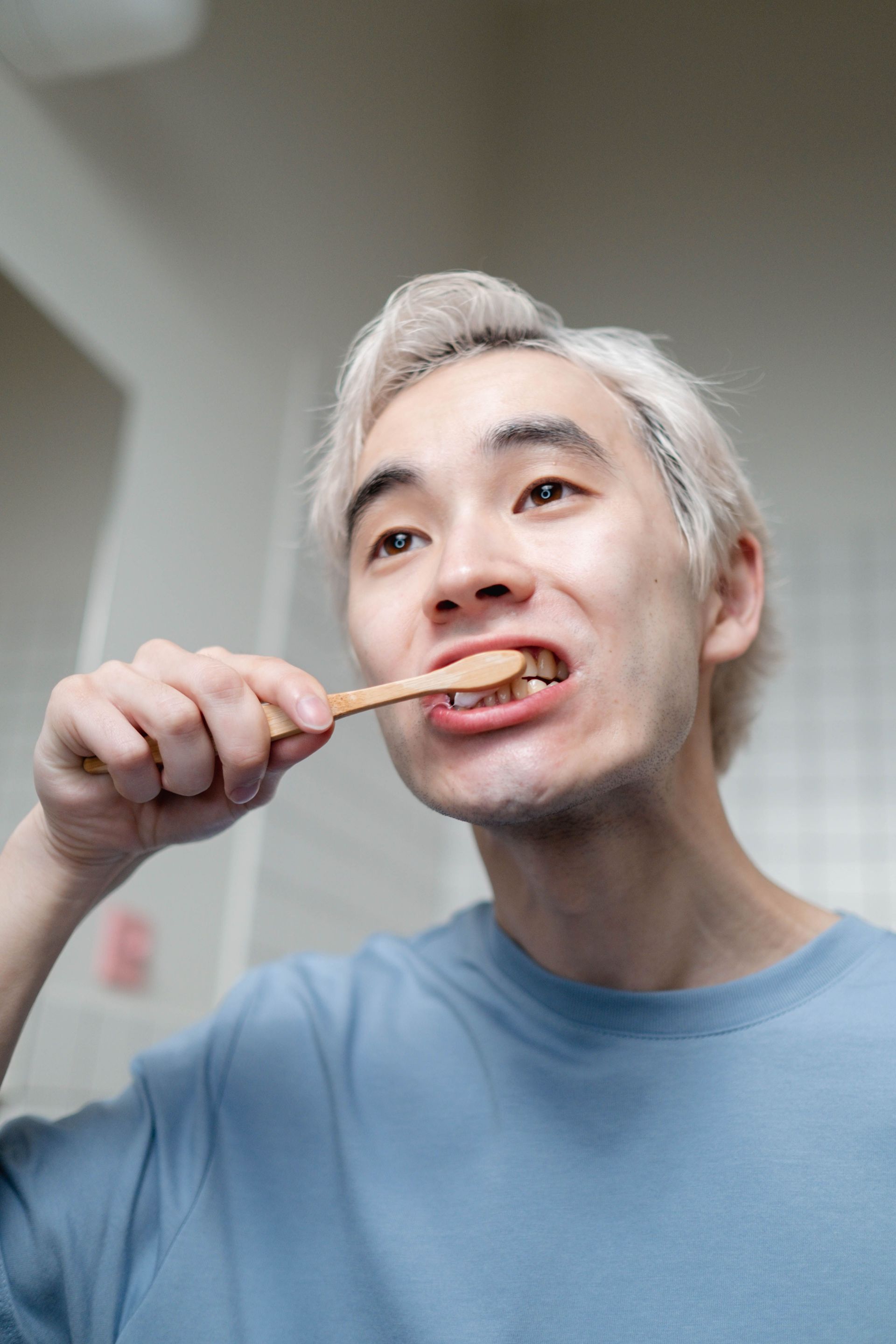
On one recent day, three separate patients came to Huszti Dental Care for their regular checkups with questions about electric toothbrushes. That gave us the idea for this post, because it seems there are a lot of misconceptions. In general, the consistent sonic or oscillating motion of electric toothbrushes remove more plaque than brushing with a traditional toothbrush. That’s a good thing. But there are other major benefits that might make you consider investing in an electric toothbrush. To begin with, they are gentler on the gums than traditional toothbrushes. How? Many of them have built in sensors that let you know when you are brushing too hard, a practice that can lead to gum recession and a reduction to enamel. Another plus: Nearly all of them have built-in timers to encourage you to brush for the full two minutes recommended by the American Dental Association. People with arthritis or other conditions that limit their dexterity find them very helpful because the brush does the work they can’t. And many come with different settings for deep cleaning, sensitive teeth or gum care. But there are other considerations. To begin with, most electric toothbrushes cost much more than a toothbrush you might pick up in a drug store or receive free from your friendly dentist. They range from around $40 and can cost more than $100. You will also need to purchase replaceable brush heads, which need to be changed a couple times a year, at a cost of less than $10 when purchased in bulk. Then there is the issue of space. These are not convenient for people with small bathrooms or bathrooms without much counterspace, since they need to be charged and, depending on the model, that charger can be bulky. They can also be inconvenient when you travel, because you may have to pack the charger as well. Lastly, there are some people who don’t like the feeling of using an electric toothbrush. Our advice is to try it, if you think you will benefit. Of course, you may be doing a good job on your own, and you might want to save that money. Ask us next time you’re in, and we can let you know what we think is the best option for you.
SHOW MORE